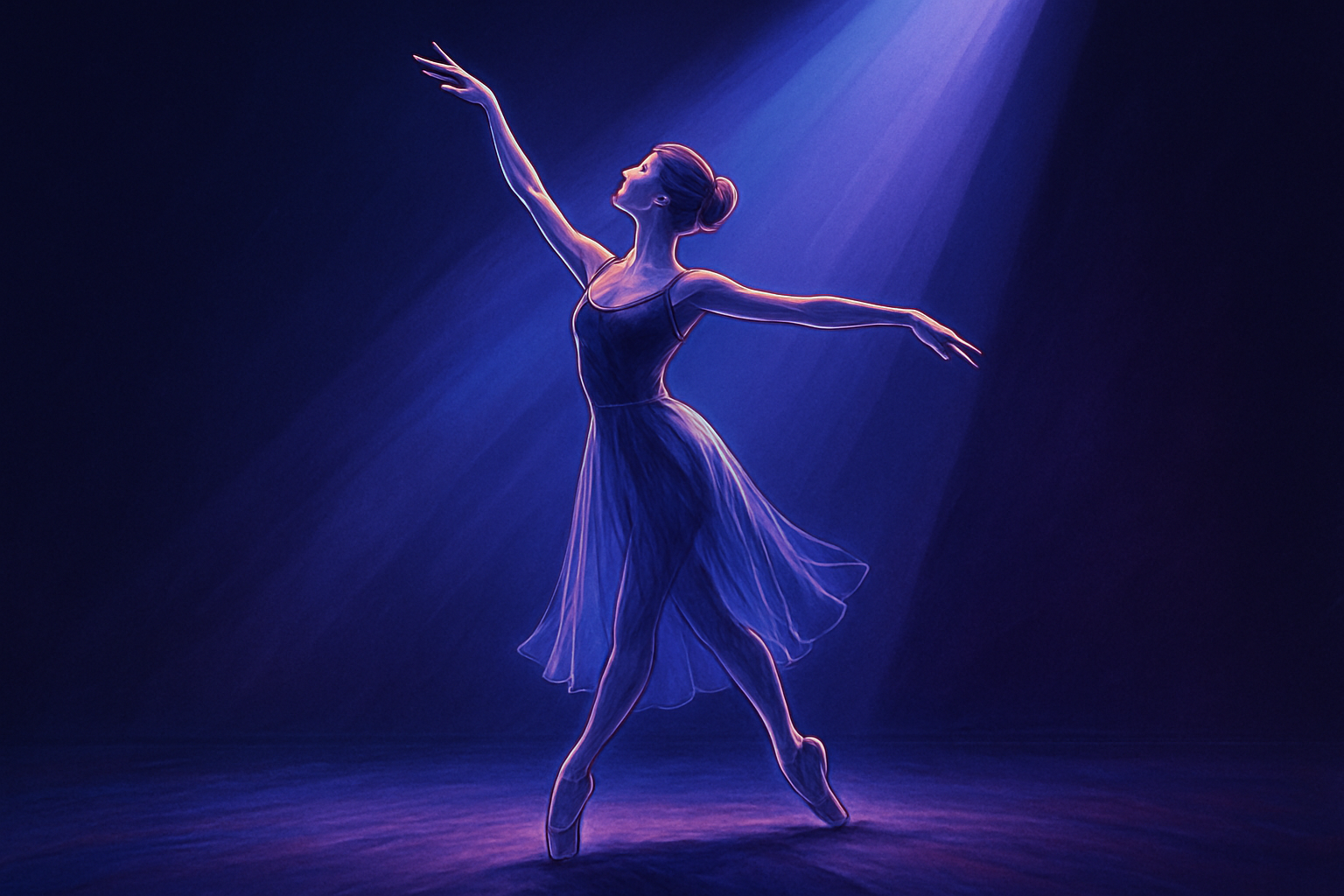
Finding Your Presence Before You Step on Stage
Every dancer knows the steps. But what separates a technically flawless performance from one that leaves people breathless is something harder to define — stage presence. It’s that magnetic quality that pulls eyes toward you, the ability to tell a story with your body so fully that the audience feels every beat. And the good news? Stage presence isn’t a gift reserved for a chosen few — it’s a skill that can be nurtured.
Why Stage Presence Matters More Than Perfect Technique
Audiences remember how a performance made them feel, not whether every line was technically perfect. Stage presence bridges the gap between movement and emotion, transforming dance into a shared experience. Think of it as the difference between listening to a speech and hearing a story — one might inform, but the other moves you.
Building Confidence From the Inside Out
- Embrace mistakes as part of the art. A stumble doesn’t ruin the moment — often, the recovery adds authenticity.
- Visualize before you perform. See yourself commanding the space and connecting with the audience.
- Practice vulnerability. Letting emotions shine through makes performances relatable and human.
Using Your Eyes, Face, and Breath
Your body speaks, but your face and eyes can whisper or shout the story.
- Eye contact creates intimacy. Looking above the audience’s heads feels distant; connecting with their gaze makes it personal.
- Facial expression drives emotion. A smile, furrowed brow, or gasp adds layers beyond the choreography.
- Breath anchors your presence. Syncing breath with movement adds rhythm and makes your dancing look effortless.
Owning the Space You’re In
Stage presence isn’t about size; it’s about awareness.
- Ground yourself. Feel your feet rooted, even in the highest leap.
- Use stillness as power. Sometimes, holding a pose is more captivating than constant movement.
- Expand your aura. Imagine your energy filling the room — the audience will feel it.
Bringing It All Together
Stage presence isn’t about perfection — it’s about connection. When you let go of fear, trust your body, and open yourself to the audience, you become more than a dancer; you become a storyteller. And that’s what lingers long after the final bow.
FAQs
How can a shy dancer develop stage presence?
Start small — practice performing for friends or mirrors, then gradually build up to larger audiences. Confidence grows in layers.
Is stage presence more important than technique?
Both matter, but presence is often what the audience remembers most. Technique supports the story, but presence brings it to life.
Can stage presence be taught?
Yes. Through exercises in eye contact, facial expression, breath work, and audience engagement, dancers can strengthen their presence.
How do professionals prepare for stage presence?
Many use visualization, rehearsal with peers, and mindfulness techniques to enter a confident, connected state before going on stage.
Does music choice affect stage presence?
Absolutely. Music fuels emotion — choosing pieces that resonate personally helps dancers project stronger energy and connection.