After years of devastating wildfires across California, Australia, and the Amazon, a quiet revolution is happening beneath the canopy — one that uses code, sensors, and satellites. Welcome to the AI Forest, where digital twin ecosystems powered by artificial intelligence are helping restore nature faster and smarter than ever before.
What Is an AI Forest?
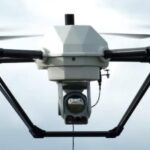
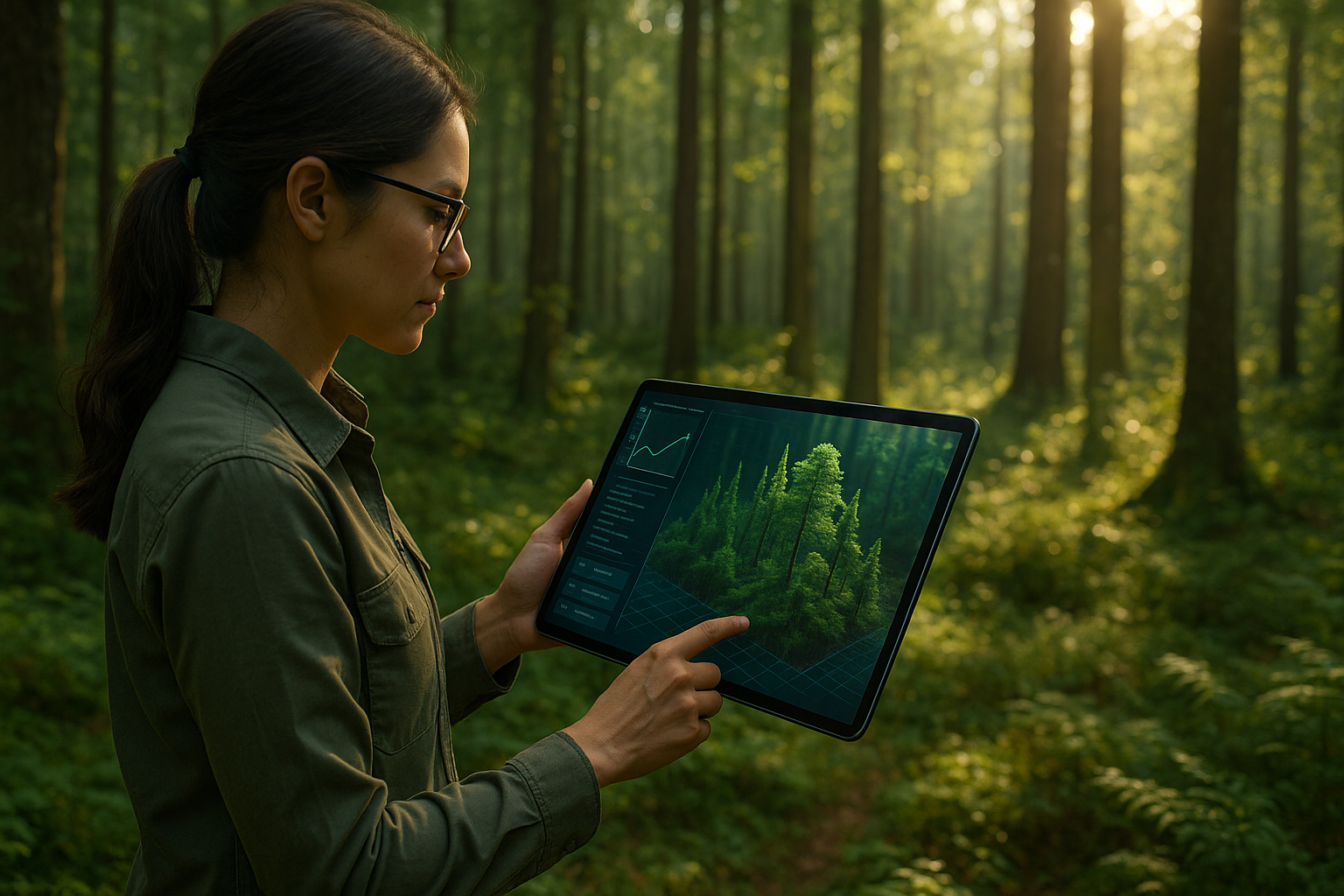
An AI Forest is a virtual replica of a living ecosystem, built using drone imagery, LiDAR, and soil sensors. These digital twins process billions of data points about vegetation, moisture, and temperature in real time.
By simulating how trees grow, how roots interact with soil, and how fire spreads, AI can test thousands of reforestation strategies before humans ever plant a single seed.
According to researchers at the European Forest Institute “We can now forecast how a forest will respond to drought, pests, or fire before it happens. It’s a safety net for ecosystems.”
This shift marks a new era in AI-assisted environmental forecasting, similar to breakthroughs discussed in Predicting the Next Drought: Inside the Climate AI Revolution
How AI Is Accelerating Ecosystem Recovery
Digital twin models are not just maps — they are living laboratories for testing and accelerating regeneration.
- Smart Seed Planning: AI algorithms identify which native species will survive best in each microclimate zone.
- Predictive Water Mapping: Sensors track soil moisture and rainfall to optimize irrigation and prevent overuse.
- Real-Time Monitoring: Satellites detect disease stress before it’s visible, alerting reforestation teams early.
- Climate Adaptation Simulation: AI models can project how a restored forest will respond to rising temperatures decades ahead.
The NASA Earth Science Data Systems program now integrates these simulations to guide large-scale reforestation in fire-prone regions.
The result: recovery timelines once measured in decades are now shrinking to just a few years.
From Burn Scars to Digital Blueprints
In Australia’s Black Summer burn zones, digital twins built with NVIDIA’s Earth-2 platform are regenerating eucalyptus forests from space-based data models.
In California, AI soil mapping combined with drone seeding has restored more than 10,000 acres of fire-scorched land in just two years.
Meanwhile, indigenous-led teams in Brazil are using digital twin dashboards to track forest healing, blending ancestral knowledge with modern machine intelligence.
These projects illustrate the emerging link between AI-driven restoration and transparent carbon accounting, a theme explored in Rewilding the Planet: AI-Powered Ecological Restoration.
As these forests regrow, their digital replicas provide verifiable carbon data, a foundation for trustworthy reforestation credits in global markets.
Why Digital Twins Matter for Climate Action
Traditional reforestation often fails because human planners cannot model the full complexity of nature. Digital twins close that gap by offering evidence-based insights before planting begins.
Policymakers and environmental organizations use AI twin data to evaluate the resilience of new forests, ensuring long-term carbon stability and biodiversity.
This precision makes green investments more credible, reducing the risk of greenwashing and supporting next-generation climate finance systems like those discussed in ESG 3.0: How Blockchain Is Ending Greenwashing
The combination of AI transparency and scientific validation is reshaping how restoration projects attract global funding.
The Next Frontier: Global Ecosystem Replication
By 2030, researchers envision planet-scale ecosystem twins — interconnected digital versions of coral reefs, wetlands, and savannas. When combined, these could function as an Earth Operating System, continuously learning from global sensor networks to inform sustainable land management.
The NVIDIA Earth-2 Project is already developing climate-scale simulations that could serve as the backbone of such a planetary digital network.
The AI Forest is just the beginning — a proof of concept for a world where data and ecology evolve together.
Conclusion
AI may never replace the mystery of nature, but it can help us understand it better and restore what we have lost.
The digital twin forest is not a replacement for life but a guardian of its future.
As climate pressures mount, the partnership between technology and ecology could become humanity’s most powerful tool for resilience — a story that begins in the ashes and ends in renewal.