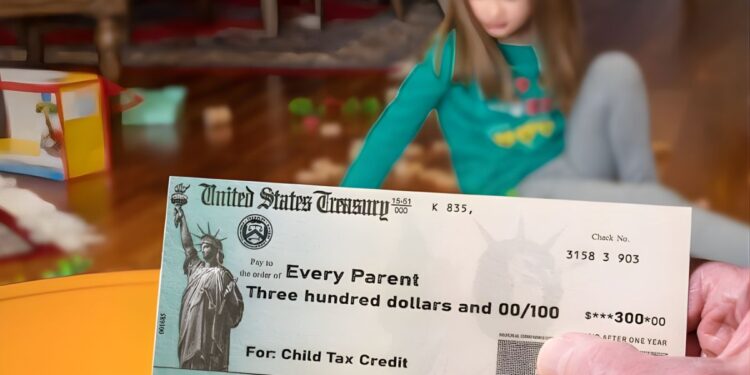
A new income-support program offering $725 in monthly checks through 2026 is gaining national attention as cities and states across the U.S. pilot guaranteed-income strategies to fight inflation, ease housing pressures, and stabilize financial security for low- and middle-income households. While the plan is not a federal policy, it has become one of the most closely watched social initiatives in the country due to its scale and early economic impact.
Where the Payments Are Coming From
Multiple city- and state-backed pilot programs began rolling out in 2024, funded by a combination of municipal budgets, philanthropic partnerships, and economic-mobility foundations. The most high-profile programs include:
• California’s Guaranteed Income Pilot Network
• Chicago’s Financial Mobility Program
• Massachusetts’ Family Stability Initiative
• Denver’s Community Uplift Program
Each program distributes $725 per month to eligible participants until 2026, with slight variations in requirements based on region. These initiatives aim to test whether direct recurring payments can reduce financial instability without forcing recipients to navigate complex welfare eligibility systems.
Who Qualifies for the Monthly Checks
Eligibility varies by jurisdiction, but most pilots prioritize:
• Low- to moderate-income households
• Single parents or caregivers
• Young adults transitioning out of foster care
• Individuals at risk of homelessness
• Workers with fluctuating or gig-based income
Unlike traditional benefits, guaranteed-income recipients do not have restrictions on how the money can be spent. The model assumes that households are best positioned to decide how to meet their own needs.
Early Results: How People Are Spending the Money
Economic reports from pilot regions show consistent spending patterns across participants. The largest categories include:
• Rent and utilities
• Groceries and household supplies
• Transportation and fuel
• Childcare
• Medical and dental costs
Researchers say these spending trends contradict early critics who warned that unconditional cash would be used irresponsibly. Instead, the data looks strikingly similar to spending patterns identified in earlier guaranteed-income studies and in income-stabilization analyses like those discussed in EOSel’s recent coverage of New York Rolls Out Huge Tax Rebates.
Why the Program Was Expanded to 2026
The original pilots were expected to run for one year. However, early economic results revealed:
• Reduced debt in low-income households
• Increased school and work stability among parents
• Higher employment retention for gig workers
• Decreased emergency-room visits and crisis-service use
Put simply, families with stable income support were better able to plan instead of react. Based on those findings, funding partners agreed to extend the $725 monthly benefit through 2026 to study long-term effects on financial health and economic mobility.
Critics Say the Program Raises Hard Questions
Opponents argue that sustained payments could increase government spending, reduce workforce participation, or mask deeper structural affordability problems. Policy critics worry that guaranteed income could become a substitute for comprehensive solutions to housing and wage stagnation.
Supporters respond that the evidence so far does not align with those concerns. In most pilot regions, employment rates increased among participants, suggesting that stable income can improve — not reduce — workforce attachment.
The debate mirrors themes in other social-policy battles covered in EOSel’s Texas Tried to Lower Speed Limits to 20 MPH, where a policy failed statewide but reshaped policy momentum at the city level.
Could This Become a Permanent Program?
Advocates of guaranteed income believe the results will push cities toward long-term adoption. Budget reformists argue that if cash assistance reduces emergency-service use, eviction rates, and healthcare spending, the overall economic trade-off could justify permanent payments.
Others expect a hybrid model: a targeted, opt-in approach similar to the rebate frameworks now emerging in New York and other states.
Federal adoption, however, remains unlikely in the short term due to sharp partisan divides. For now, the most impactful innovation continues to come from city- and state-level experiments.
What Recipients Can Expect Next
Participants currently enrolled in these guaranteed-income pilots do not need to reapply. Payments will continue automatically as long as eligibility is maintained under each region’s terms. Additional cohorts may open in late 2025 depending on budget results and philanthropic funding.
Households will receive program updates through email, text alerts, and public portals once each city publishes its next-phase details.
Conclusion
The $725 monthly checks now guaranteed through 2026 represent more than a cash benefit; they mark a shift in how U.S. cities think about economic stability. Instead of treating poverty as a budgeting failure, these programs treat financial security as a foundation for stronger communities, healthier families, and more resilient local economies. Whether guaranteed income becomes a long-term fixture in American economic policy, the results emerging from these pilots will play a defining role in the national debate.